Why can taste loss last more than a year after COVID-19?
Why can taste loss last more than a year after COVID-19?
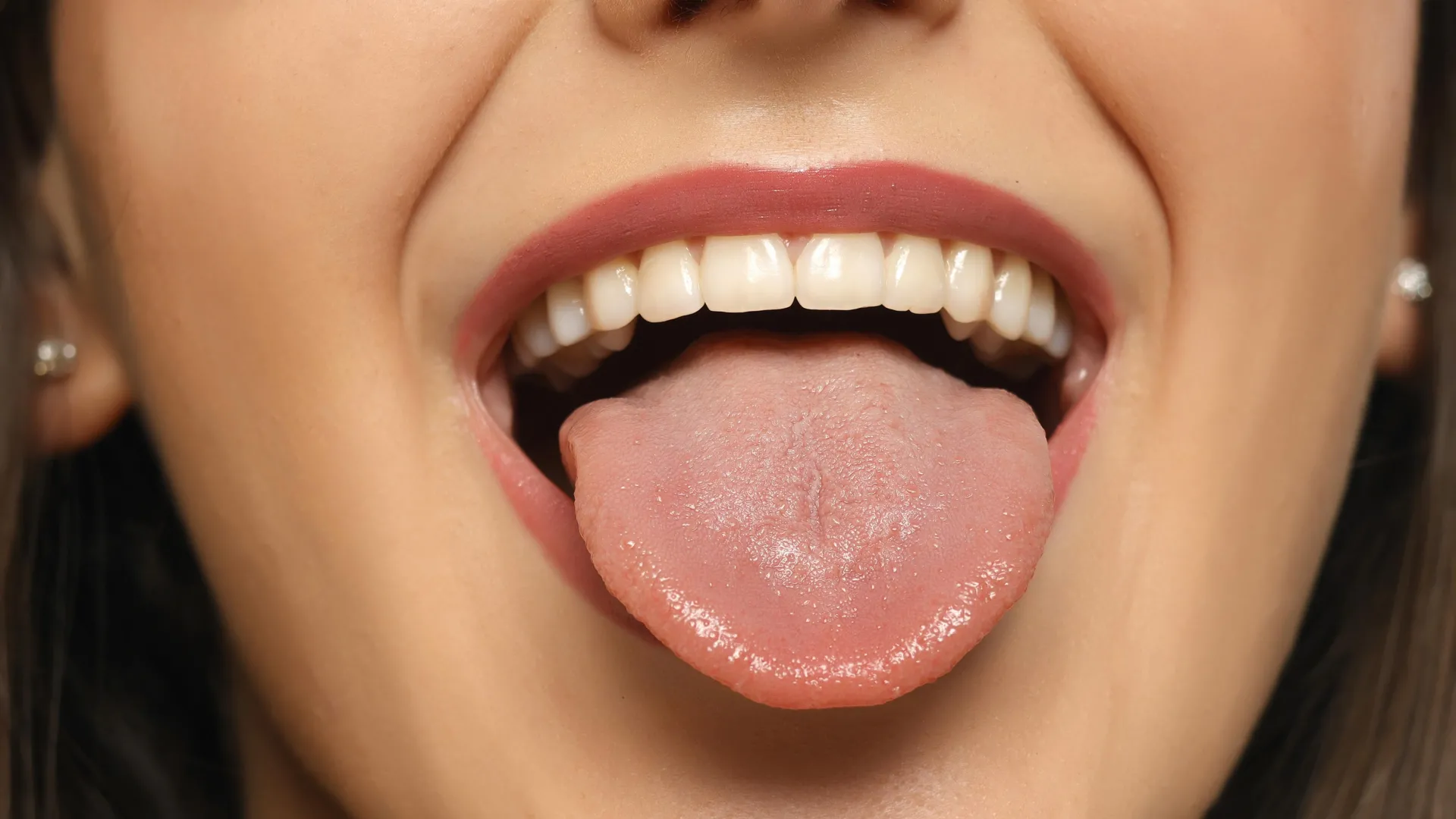
Taste loss may linger because taste cells stay disrupted, despite normally renewing every 2–4 weeks.
Researchers studied people with lasting Taste Changes after COVID-19. They found measurable problems in taste buds after the virus had cleared. These involved both how taste cells send signals and how they are arranged. The findings offer a possible reason why recovery takes longer for some people.
Under a microscope, some people’s taste buds looked normal. Others had taste cells that were no longer arranged as expected. The researchers also found signs of lasting problems with taste signals. Together, these findings suggest more than one process may affect recovery. Replacing taste cells may not be enough to restore normal taste.
The 2–4 week renewal cycle makes the long recovery especially puzzling. Most people regain normal taste within weeks or months after COVID-19. A smaller group has symptoms much longer. The supplied report does not give the number of people studied. It also does not say how often each cell problem appeared. These findings help explain what might be happening, but do not establish a treatment.
For BioSocial members, this gives useful context to a slow recovery. A weekly symptom rating could make your own progress easier to compare. Notes could include time since infection and which familiar foods taste different. Using the same rating scale each week may help reveal small shifts. Sharing those records can help members compare experiences without assuming everyone has the same underlying problem.
What has your taste recovery looked like since COVID-19, and what changes have you recorded over time?