Can laser surgery help anal tears heal faster?
Can laser surgery help anal tears heal faster?
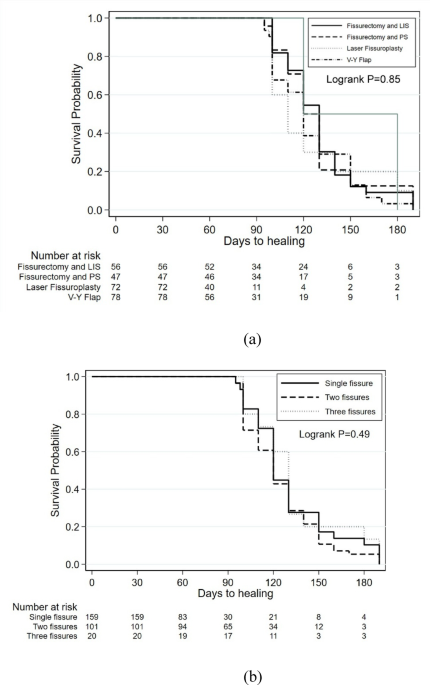
Laser surgery was linked to faster healing of anal tears, especially fewer very long healing delays, but it was not proven better.
The study looked at people having surgery for anal fissures. These are tears in the lining of the anus. Researchers wanted to find factors linked to Slow Wound Healing, rather than prove which surgery worked best. They compared people whose wounds healed normally with those whose healing took longer.
Laser treatment stood out for its link to fewer very delayed recoveries. That does not mean it sped up healing equally for everyone. Other types of surgery were also linked to faster healing. The supplied excerpt does not give the number of weeks saved with laser treatment.
Age was another factor. People in the delayed-healing group averaged 44.5 years old. Those in the normal-healing group averaged 40.9 years old. The authors suggested other health problems and longer-lasting tears might help explain this pattern. The study does not prove that age itself caused the delay.
For context, the article cites earlier sources saying complete healing can take 6 to 12 weeks after medical or surgical treatment. That range is not a laser-specific result from this study.
For members tracking recovery, the useful takeaway is to compare similar experiences. Recording the surgery type and weeks until wound closure adds context. Those details can make community comparisons more meaningful than a healing date alone. These findings concern anal tear surgery, not everyday cuts or scrapes.
What did your healing timeline look like after anal tear treatment, and what details helped you track progress?