
Why don’t figure skaters get dizzy when they spin?
Years of training help figure skaters overcome the dizzy feeling that fast spins cause in most people.
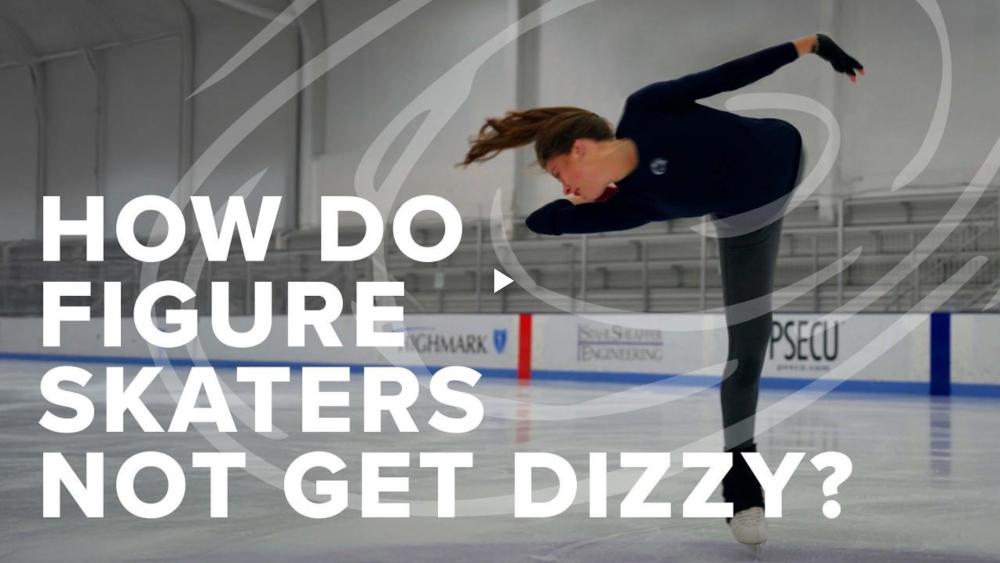
Penn State’s video explores this with Tarkeshwar Singh, a professor who studies human movement. Angela Paxos, a student and figure skater, joins him. They explain how the inner ears help create that sensation. They also discuss how trained skaters overcome it.
For our [Dizziness / Lightheadedness]( /symptoms/cardiovascular/dizziness-lightheadedness) community, the key detail is the trigger: spinning quickly. The article says most people feel unsteady and lose balance after fast spins. Some also experience Nausea. Years of Skating training help skaters handle this response.
This is an explanation, not a treatment study. The supplied article gives no measured change in symptoms. It also gives no exact training timeline beyond “years.” It does not test whether spin practice helps people who feel faint when standing. That limits how far we can apply its takeaway to everyday symptoms.
For members tracking their own patterns, context is worth recording alongside numbers. A log could capture the movement before an episode and how long it lasted. It could also include how strong the sensation felt on a consistent scale. Those details can make community comparisons more useful than a symptom score alone.
The useful takeaway is not to copy a skater’s training. It is to keep the trigger in view when comparing experiences. What patterns have you noticed in your symptom logs around movement or changes in position?
Comments
No comments yet.