Why are extreme heat and cold more dangerous for some people?
Extreme heat and cold were linked to over 10 times more extra deaths in people facing both long-term illness and social disadvantage.
Researchers tracked more than 285,000 adults across Finland and the UK. They looked at how existing illness and social or financial hardship shaped weather-related health risks. The findings appeared in Nature Communications.
The largest impact was in people facing both kinds of hardship. Their extra deaths linked to extreme temperatures were more than tenfold higher. The comparison was with people facing neither hardship, or only one. This describes extra deaths linked to weather, not a tenfold rise in everyone's overall chance of dying.
Hospital visits told a different story. In Finland, cold periods were linked to 9% fewer emergency hospital visits. Hot periods were linked to 5% more visits. Both comparisons were against moderate temperatures. But fewer visits did not necessarily mean less harm. Cold weather may have made emergency care harder to reach.
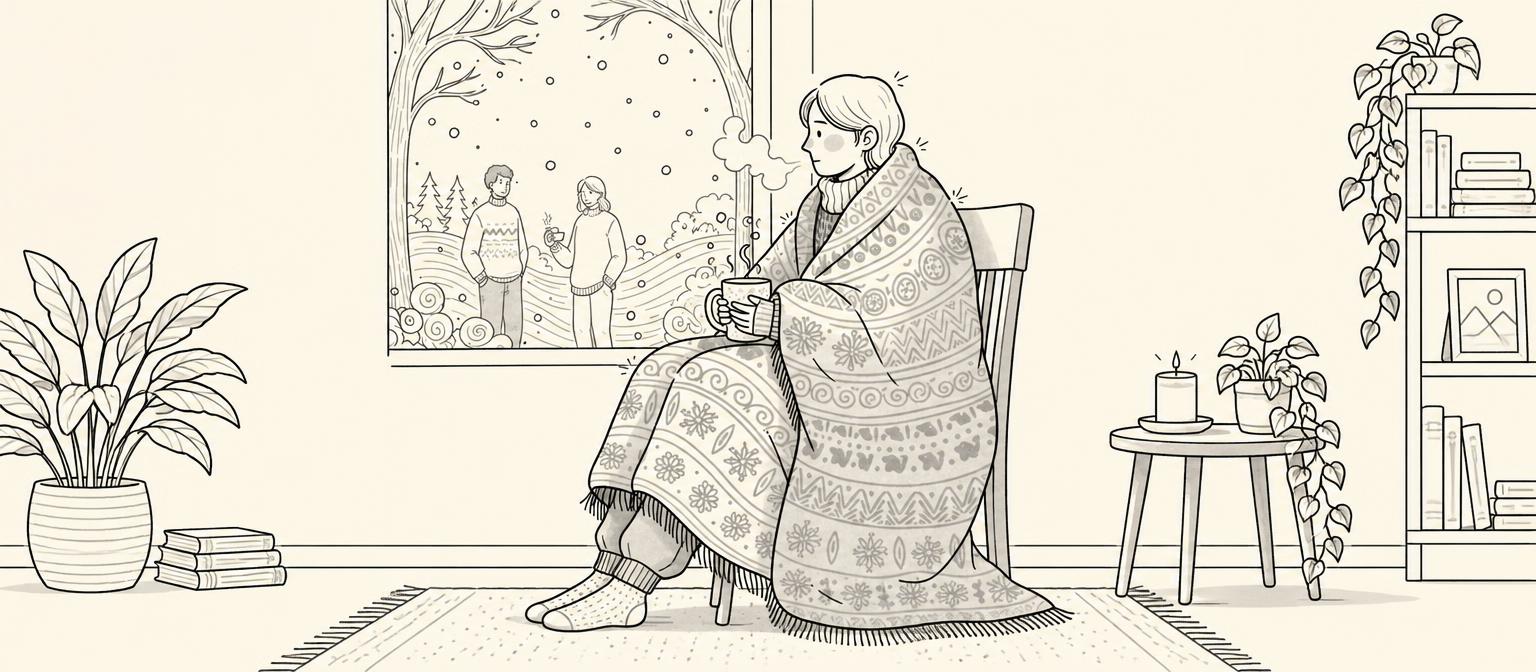
For our Heightened Sensitivity to Cold community, one distinction matters: this study examined extreme weather, not everyday sensitivity. It does not show that this symptom alone carries the same risk. Nor does it explain why someone feels cold in a comfortable room.
For members tracking this symptom, context can make shared notes more useful. A symptom rating alongside room temperature and time outdoors could help describe patterns. Comparing those details with community peers keeps the focus on lived experience. Those logs cannot turn this study's group findings into a personal risk score.
What patterns have you noticed in your symptom ratings across different temperatures and settings?
Comments
No comments yet.