Can cold showers help you take fewer sick days?
Cold showers may mean fewer sick days, but the supplied report gives no numbers showing how much they helped.
The article describes Glaser’s doctoral work in psychology. It explored habits that could benefit both health and the climate. The study involved 719 people aged 18 to 65. All were in good health and did not already take cold showers. They were asked to use their shower’s coldest setting for 12 weeks.
The report highlights fewer sick days, but the excerpt leaves important gaps. It gives no sick-day totals or comparison with people taking warm showers. It also does not say how many people completed the routine. The size of any health benefit remains unclear from this text.
Glaser’s broader point is that habits may appeal more when they fit daily life. Cold showers could also save money and reduce the impact of heating water. However, the excerpt gives no measured savings or emissions figures.
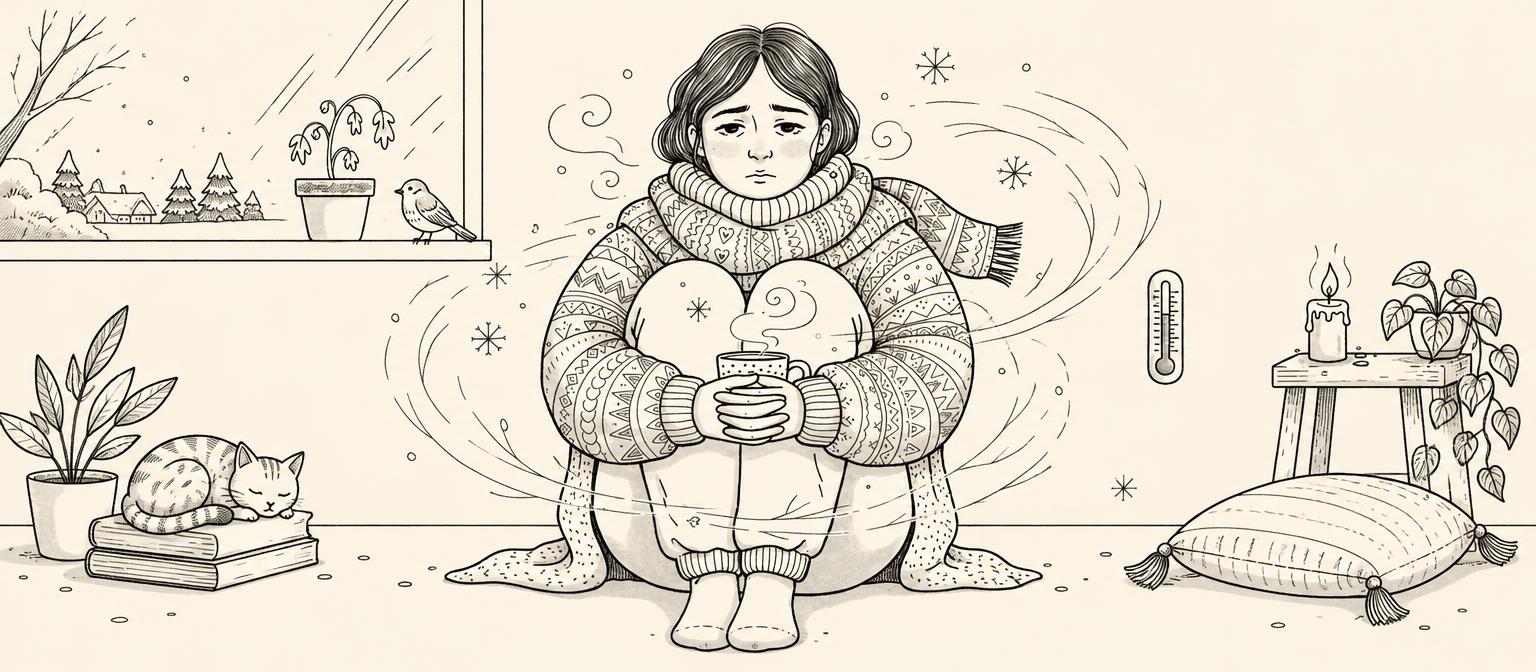
For our Cold Intolerance community, fewer sick days and feeling warmer are different outcomes. This report does not show that cold showers help people who struggle to warm up. It studied healthy adults, not a group chosen for this symptom.
For members already tracking shower habits, personal notes can help keep those outcomes separate. Useful details might include shower length, time needed to feel warm afterward, and days missed from work. Comparing those records with community peers can reveal different experiences. Those comparisons cannot prove that shower temperature caused a change.
If you’ve changed your shower temperature, what did you notice about warming up afterward or your sick days?
Comments
No comments yet.