Can a vegan diet provide enough protein but miss other nutrients?
Yes—in a study of 66 Australian vegans, protein met guidelines, but several other nutrients fell short, even with supplements.
The adults kept four-day food diaries on two occasions, weighing some foods. Researchers checked for under-reporting, then analyzed 466 days of food records. They compared food alone, and food plus supplements, with Australian nutrient guidelines. This was a snapshot of eating habits, not a test of changing diets.
Protein Intake matched both basic needs and guidelines for optimal intake. The overall balance of protein, fat, and carbohydrate also met recommended ranges. But the main gaps involved Vitamin B12, Calcium, iodine, Selenium, Zinc, and Omega-3 Fatty Acids. Supplements did not fully close those gaps. Foods classed as nonessential extras supplied an average of 24.2% of daily energy.
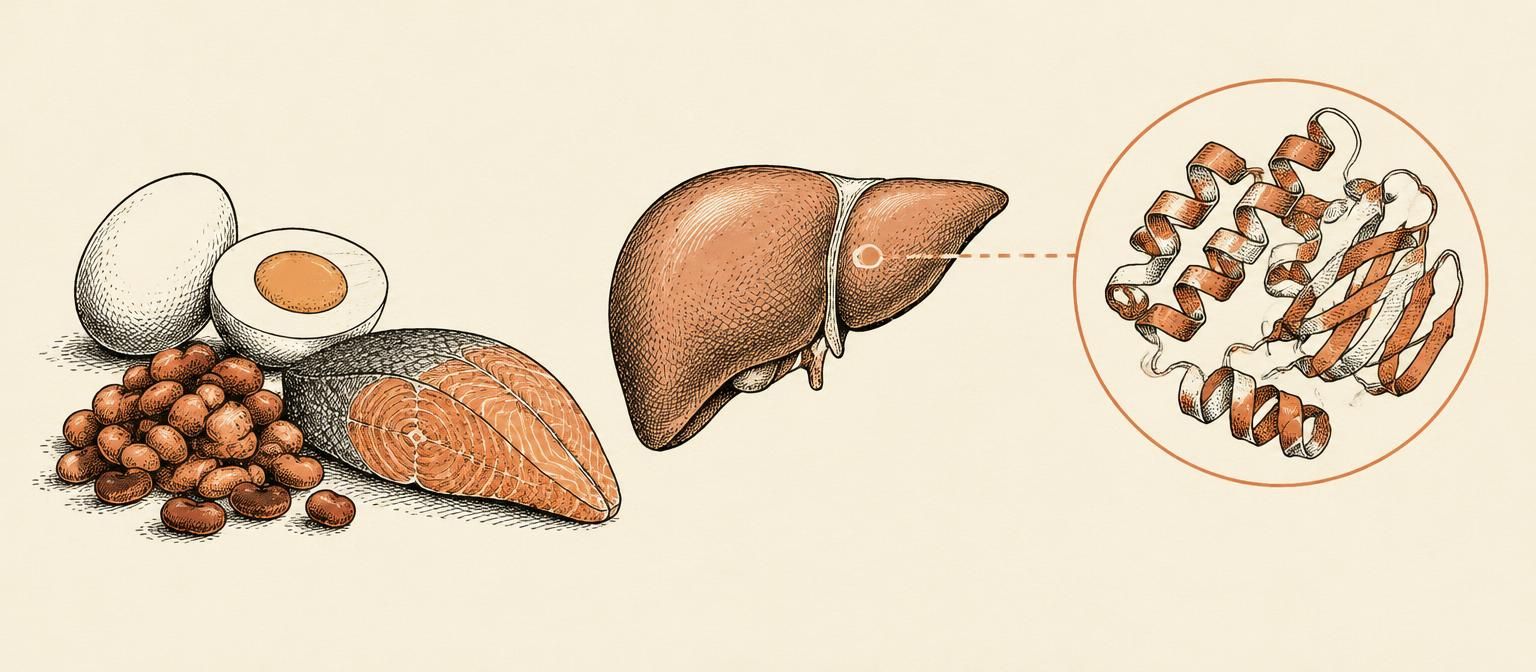
For our Total Protein community, one distinction matters: food protein and blood protein are different measures. This study reported food records, not changes in Total Protein blood levels. It cannot tell us whether a vegan diet raises or lowers that result. Eating less than nutrient guidelines also does not prove a low blood level.
The useful takeaway is that meeting protein goals does not cover every nutrient. Members following a Plant-Based Diet can compare food logs, supplement records, and bloodwork over time. Sharing those details gives the community more context than a diet label alone. It also keeps reported food intake separate from measured blood results.
What have your food logs and bloodwork shown while eating vegan?
Comments
No comments yet.